A Word from the Founder
Why AI-personalized children's books amplify the human experience — not diminish it
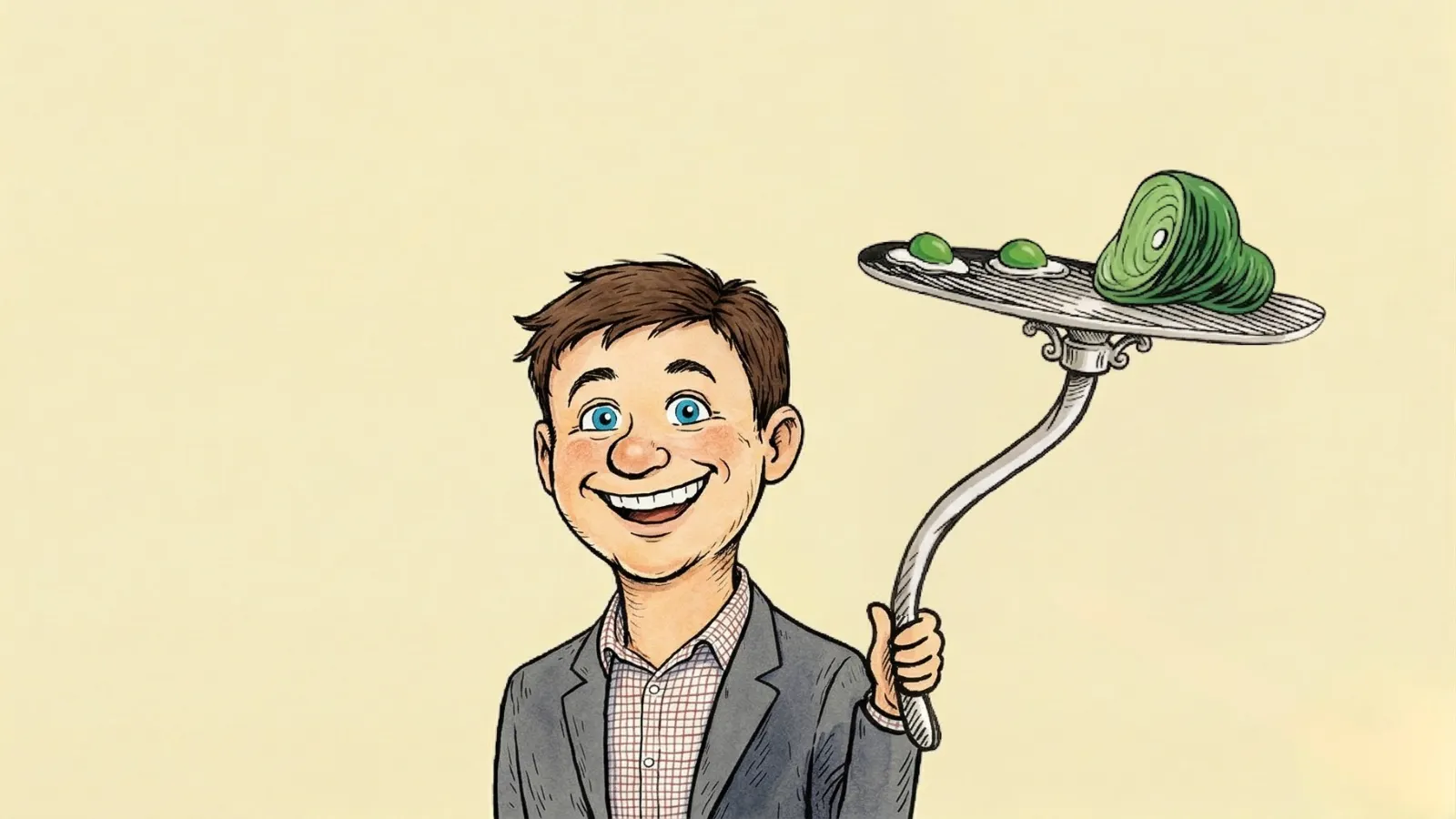
When I set up a table of storybooks in Central Park, a passerby stopped, looked at the covers, and asked with visible horror: "Are those AI-generated children's books?" She didn't wait for an answer and simply stormed off.
That reaction bothers me — not because it's an attack on my startup, but because it assumes there's no value in what we're building. Personalized children's books might be one of the most positive use cases for AI, because they amplify the very thing that woman was trying to defend: the human experience.
A child reading with a parent is magical. The story, the illustrations, the back-and-forth questions and laughter — that's the whole point. In a world where screens dominate, personalized books where kids see themselves in the story are a real chance to get children reading more and to create those moments on purpose.
That's why we don't lead with "AI" on the StorybookYou website. It's not about the technology. It's about the grandmother whose grandson asked to read his Hanukkah book several times a day because he spotted his favorite blue pants on every page. It's about the father whose son recognized himself in a picture book and lit up with joy.
I've written more about why templates fall short, what human-AI collaboration could look like for children's books, and how we think about artists and training data in a longer piece on Substack.
Read the full essay: The Case for AI-Generated Children's Books →